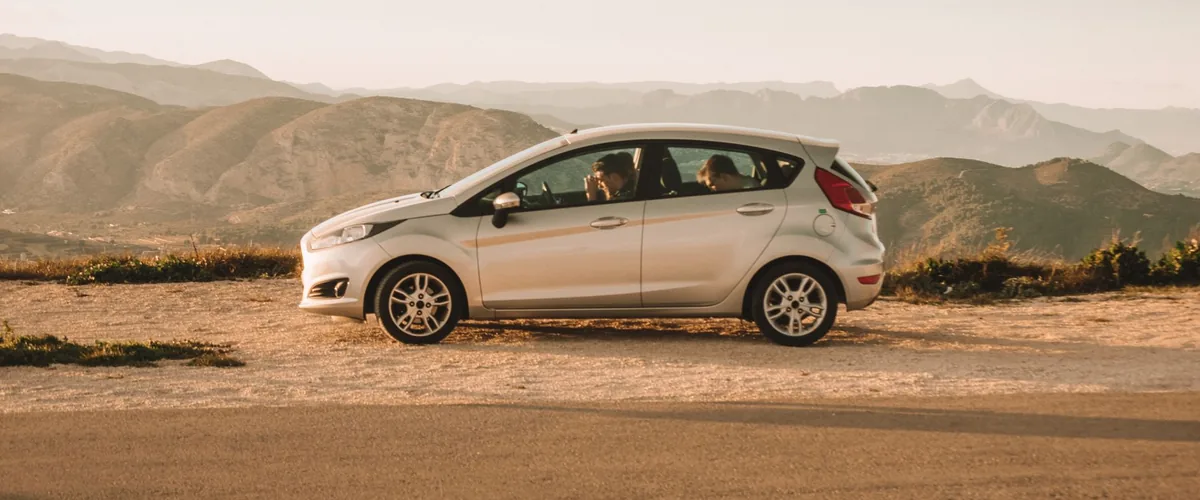

The daily rate you see on a comparison site is the smallest number in the whole transaction. By the time you drive off the lot in Malaga or Milan, you have usually agreed to several things that were not in the quote, and a few of them cost more than the car.
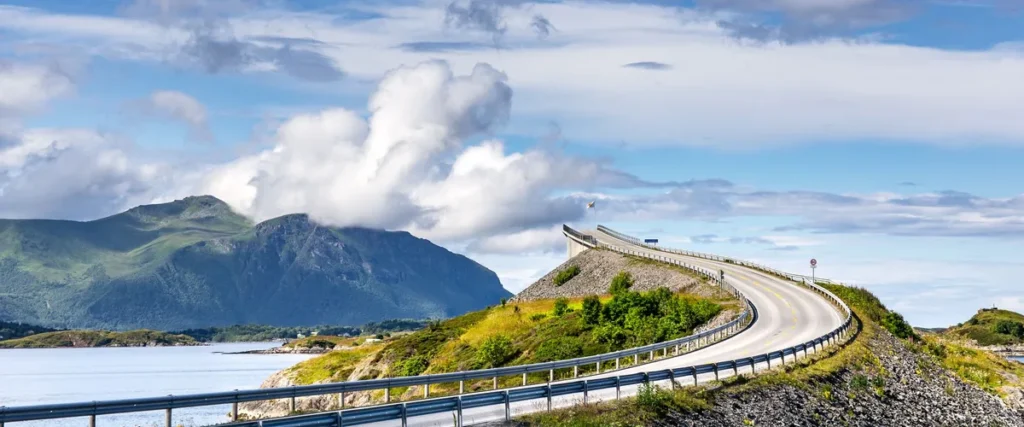
None of this is a reason to skip the rental. A car is still the only sensible way to see the Peloponnese, the Scottish Highlands or rural Portugal. But it pays to know where the real money hides before you stand at a desk at eleven at night with a queue behind you.
The quote versus the bill
Rental pricing in Europe works on a thin headline rate and a thick layer of extras. Roughly, here is what turns a cheap-looking quote into a real number.
| Cost | When it applies | Can you avoid it? |
|---|---|---|
| Excess reduction at the desk | Offered to nearly everyone at pickup | Yes, with a separate annual excess policy bought in advance |
| Young driver surcharge | Commonly under 25, sometimes under 21 only | No, but it varies a lot between companies |
| Additional driver | Per day, per extra name | Sometimes included in a spouse or premium rate |
| One-way drop fee | Returning to a different city or country | Only by planning a loop instead |
| Cross-border fee | Declared at booking or pickup | No, and hiding it voids your cover |
| Tolls, vignettes and city charges | Depends entirely on the countries you drive through | Partly, by routing around them |
| Fuel policy penalty | Prepaid tanks and full-to-empty deals | Yes, insist on full-to-full |
| City parking | Every night the car sits in a city | Yes, by not having the car on city days |

Insurance, and the conversation at the desk
Almost every European rental includes collision damage waiver by law or by default, but with an excess attached. The excess is the amount you are liable for if the car comes back damaged, and it is routinely somewhere in the high hundreds to low thousands of euros. The desk agent’s job is to sell you a reduction of that excess, and the daily price for it is often close to the price of the car itself.
There are three ways through this. Buy the desk product and pay the premium. Buy a standalone annual excess policy from an insurer before you travel, which typically costs a fraction of the desk rate and reimburses you after the fact. Or rely on a credit card that includes rental cover, which many do, though the conditions are strict and often exclude vans, large SUVs and certain countries.
Whichever you choose, know the answer before you arrive. The desk is designed for people who have not decided. And if you decline the extra cover, expect a larger hold on your card. That hold ties up real money for the length of the rental, which matters if the same card is paying for the rest of the trip.
Take photographs of the car before you leave the bay. All four corners, both bumpers, the roof, the windscreen and the wheels, with the timestamp on. Do the same at return. This is the single cheapest insurance available and it takes four minutes.
Crossing borders, and where you are quietly not allowed to go
European rental agreements carry a list of countries you may drive into, a list that needs prior declaration, and a list that is flatly forbidden. The specifics vary by company and by pickup country, but the shape is consistent: Western Europe is usually fine with a declared cross-border fee, parts of Southeast Europe need permission, and a handful of destinations are excluded outright.
Ferries are their own category. Taking a rental car on a ferry, including short island crossings in Greece, Italy and Croatia, is often prohibited unless you have asked first. People do it anyway, and it is fine right up until it is not, because an undeclared crossing typically voids the damage cover for the whole rental.
If your trip crosses a border, say so at booking. The fee is unpleasant but survivable. Discovering that your insurance was void after a scrape in another country is not. The EU’s own driving abroad pages are a reasonable starting point for documents and licence rules, and drivers coming from the UK should read the government’s EU driving guidance before booking.
Tolls, vignettes and the stickers you need before the border
Road charging in Europe splits into two systems, and mixing them up is how people collect fines.
Barrier tolls work the way most travelers expect. You take a ticket, you drive, you pay at the exit. France, Italy, Spain, Portugal and Greece mostly run this way on their motorway networks. It costs real money over a long drive, but nothing goes wrong if you simply pay.
Vignettes are prepaid permits you must hold before you enter the motorway. Austria, Switzerland, Czechia, Slovakia, Slovenia, Hungary, Bulgaria and Romania all use some version of this, now mostly digital and tied to the number plate. Austria’s is sold through ASFINAG, and Switzerland sells only an annual sticker, no short-term option, through the federal shop. Ask at the rental desk whether the car already carries one, because Austrian and Swiss cars often do and German ones usually do not.
Then there are the city rules, which are where the expensive surprises live.
- Italy’s ZTL zones. Restricted traffic areas in the historic centers of Florence, Milan, Bologna, Pisa and dozens of smaller towns. Cameras read the plate, the fine arrives at the rental company months later, and they add an administration charge on top. Satnavs do not reliably know where the boundaries are.
- Low-emission zones. Germany requires an Umweltplakette windscreen sticker for many city centers. France uses the Crit’Air system. Several other countries run their own versions, and the map keeps growing; Urban Access Regulations maintains a country-by-country overview.
- Congestion and access charges. London and a handful of other cities charge for entry outright.
The practical rule that avoids nearly all of it: do not drive into old city centers. Park at a staffed garage or a park-and-ride on the edge and take the tram in. It is cheaper than the parking anyway.
Fuel, gearboxes and the small stuff
Take full-to-full and nothing else. Prepaid tanks look convenient and you almost never return the car empty enough to break even. Fill up within a few kilometers of the return point and keep the receipt, because some companies check the distance on the timestamp.
Manual gearboxes are the default across most of Europe. Automatics exist but are a smaller share of the fleet, cost more, and sell out first in summer. If you cannot drive a manual, book early and book specifically, and treat a booking that only says “or similar” with suspicion.
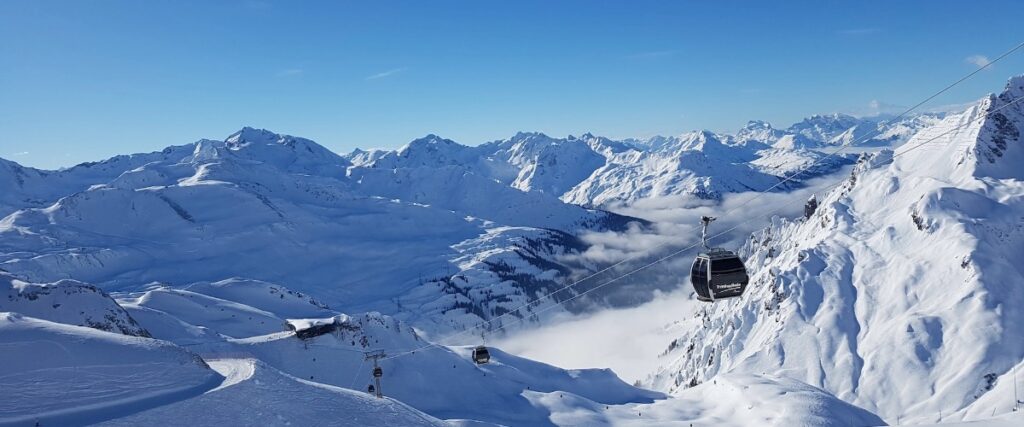
Two more small things. Diesel and petrol pumps are colour-coded differently than in North America, and misfuelling is expensive and not covered. And if you are driving in the Alps or the Nordics between roughly November and April, check whether winter tyres are legally required and whether your car has them, because in several countries this is a legal requirement rather than a suggestion. Our Nordic road trip guide goes into the seasonal side in more depth.
When the train is simply cheaper
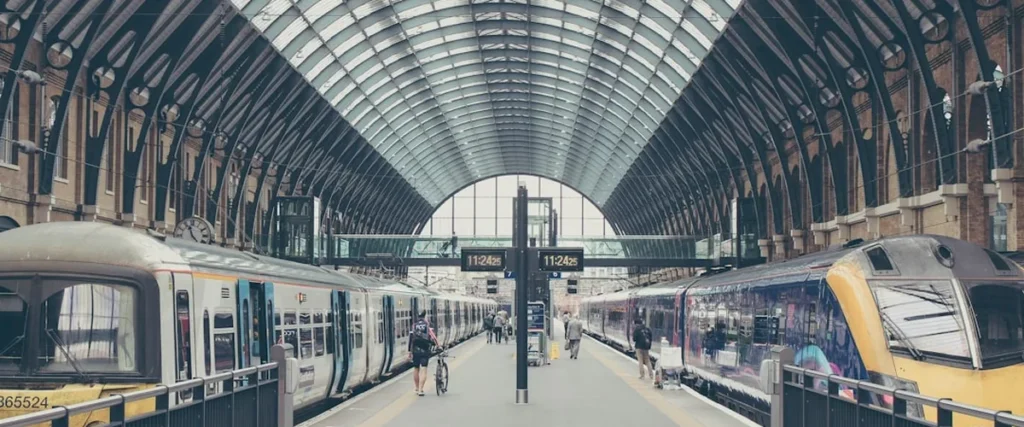
The car earns its keep in places public transport does not reach well. It loses badly on routes where a fast train already exists, once you count parking, tolls and the fact that nobody in the car can look out of the window.
| Rent the car when | Take the train when |
|---|---|
| You are covering rural areas: the Peloponnese, Andalusian hill towns, the Scottish Highlands, Iceland’s Ring Road | You are going city to city on a mainline: Paris to Lyon, Madrid to Seville, Rome to Florence |
| You are three or four people splitting one cost | You are traveling solo or as a pair |
| You are staying outside towns, where parking is free | You are sleeping in city centers every night |
| You want to stop where there is no station | Your route crosses several vignette countries |
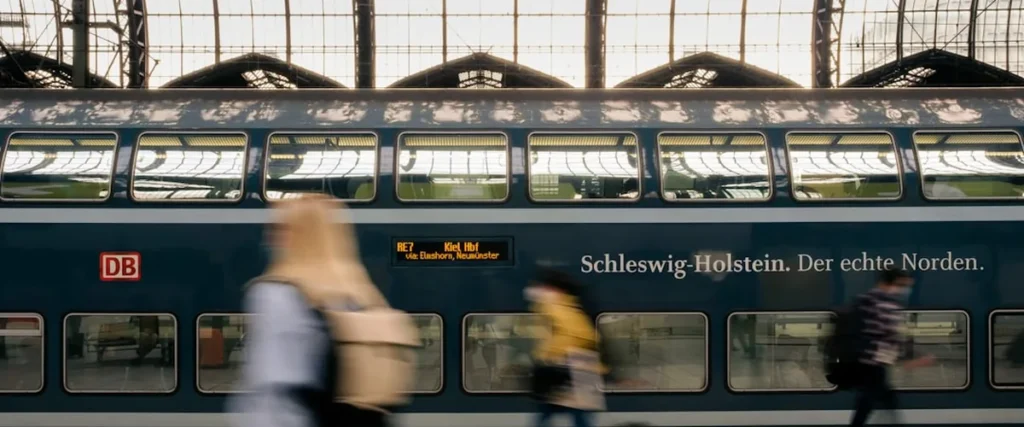
The strongest version of a European road trip is usually a hybrid. Train between the cities, rent for the three or four days you are actually in the countryside, hand the car back before the next city. You skip the parking, you skip most of the tolls, and you still get the mountain road. Mark Smith’s Seat 61 is the best free reference for working out whether the rail leg exists.
A checklist before you book
- Decide how you are covering the excess, and buy the standalone policy before you leave if that is your answer.
- Declare every border you plan to cross, and ask explicitly about ferries.
- List the countries on your route and check which need a vignette. Buy them online in advance.
- Choose full-to-full fuel. Refuse prepaid tanks.
- Book an automatic early if you need one, and get it in writing.
- Plan not to drive into historic centers at all. Find the park-and-ride first.
- Photograph the car at pickup and return.
The part that takes the longest is working out which days you actually need the car. Sketching the route first makes that obvious: you can lay the trip out day by day in Lentii, see which stretches have no station near them, and rent for exactly those days instead of the whole week. If you are stitching several countries together, our guide to multi-city routes pairs well with this one, and the booking timing guide covers when rates are worth locking in.
FAQ
Do I need an International Driving Permit in Europe?
Within the EU and EEA, a licence from another member country is enough. Visitors from outside, including from the US, Canada and Australia, are asked for an International Driving Permit in several countries, with Italy, Spain, Greece and Austria among the stricter ones. It is cheap to obtain at home and impossible to get once you are standing at the desk.
Is it cheaper to rent from the airport or in town?
Airport branches add a premium surcharge, so downtown offices are often cheaper on paper. The saving disappears if you need a taxi to reach the office, and downtown branches keep shorter hours and close on Sundays in many countries. For a one or two day rental the town office usually wins. For a week, the difference is small enough that convenience should decide.
What happens if I get a ZTL fine in Italy?
The camera reads the plate, the municipality contacts the rental company, and the company passes on your details along with an administration fee. The fine itself arrives by post afterward, sometimes many months later. There is no realistic way to contest it if you genuinely entered the zone, which is why parking outside the centre is the only reliable defence.