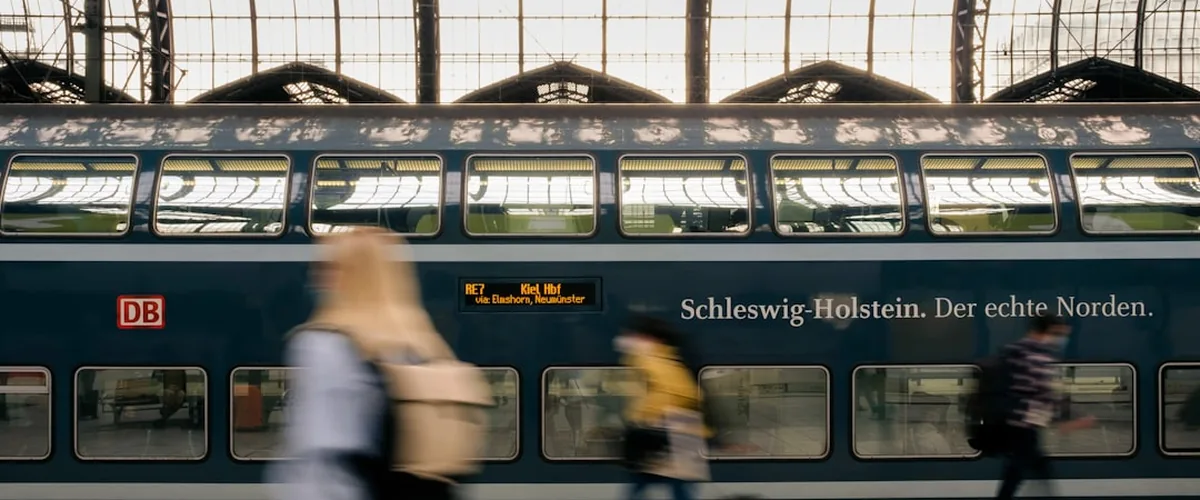

A night train is the only form of transport that gives you time back. You board in one city after dinner, sleep through the part of the journey nobody enjoys, and step onto a platform in another country at breakfast, having skipped a hotel bill and a morning at an airport.
Europe spent two decades cutting these services and has spent the last few putting them back. Here is what actually runs now, what a berth costs, and how to book without paying triple.
Why night trains came back
The low-cost airline boom killed most of Europe’s sleeper network in the 2000s. Operators could not compete with a €29 flight, and by around 2016 the map had shrunk to a handful of survivors.
Two things changed. Austria’s national operator, ÖBB, bought up the routes Deutsche Bahn was abandoning and rebuilt them under the Nightjet brand, betting that the demand was real. Then flight shame arrived, fuel got more expensive, and a generation of travelers started counting carbon. New operators followed, including a Dutch-Belgian cooperative that launched a Brussels to Berlin service and later pushed it on to Prague.
The network today is smaller than it was in 1995 and larger than it was in 2016. It is also, for the first time in a long while, growing.

What you actually sleep in
The single biggest determinant of whether you enjoy a night train is which class you book, and the names are not obvious if you have not done it before.
A seat is what it sounds like: a reclining seat in a compartment or open carriage. It is the cheapest option by a wide margin and you will not sleep much. Fine for a student on a rail pass, grim for anyone with a meeting the next day.
A couchette is a padded bunk in a compartment of four or six, with a sheet, pillow, and blanket provided. You sleep in your clothes. Compartments are usually mixed unless you book a women-only carriage, which most operators offer. Six-berth couchettes are cramped; four-berth versions are noticeably better and cost a little more.
A sleeper is a proper bed in a compartment of one, two, or three, usually with a washbasin, and on newer stock with a private shower and toilet. Breakfast is normally included. This is the version that converts people into night train believers, and it is priced accordingly.
Newer Nightjet trains added a fourth option: a mini cabin, a single enclosed pod with a bed, a door that locks, and somewhere to put a bag. It costs well under a full sleeper and solves the main complaint of solo travelers, which is sharing a compartment with strangers.
| Class | What you get | Typical price | Best for |
|---|---|---|---|
| Seat | Reclining seat, no bedding | €30–60 | Short hops, tight budgets |
| Couchette (6-berth) | Bunk, bedding, shared compartment | €55–90 | Backpackers, groups of friends |
| Couchette (4-berth) | More space, same setup | €70–110 | Families, couples on a budget |
| Mini cabin | Private single pod, lockable | €100–140 | Solo travelers who want privacy |
| Sleeper | Real bed, washbasin or en suite, breakfast | €130–260 | Anyone who needs to function next morning |
Prices are per person and vary with route, season, and how early you book. Treat them as a range, not a quote.
One thing the table does not show: accessible compartments exist on many of these trains, but there are only one or two per service and they sell out first. Our guide to planning a step-free trip in Europe covers how to book rail assistance and the notice operators need.
The routes worth knowing
The Nightjet network
ÖBB runs the backbone. From Vienna you can reach Paris, Hamburg, Rome, Milan, Amsterdam, and Zurich overnight. Zurich has become a second hub, with services to Amsterdam, Prague, and Hamburg. There is also a Berlin to Paris service run in partnership with French and German operators.
Nightjet is where the newest carriages are, so if you want to try the mini cabins or an en-suite sleeper, look here first. Timetables and live availability are on the official Nightjet site.
Brussels to Berlin and Prague
European Sleeper, a Dutch-Belgian cooperative, launched in 2023 with a Brussels–Amsterdam–Berlin route and extended it to Prague. The rolling stock is older and the experience is more no-frills than Nightjet, but it filled a genuine gap on the map and it connects to the Eurostar network at Brussels, which makes London to Berlin possible entirely by rail.
Scandinavia
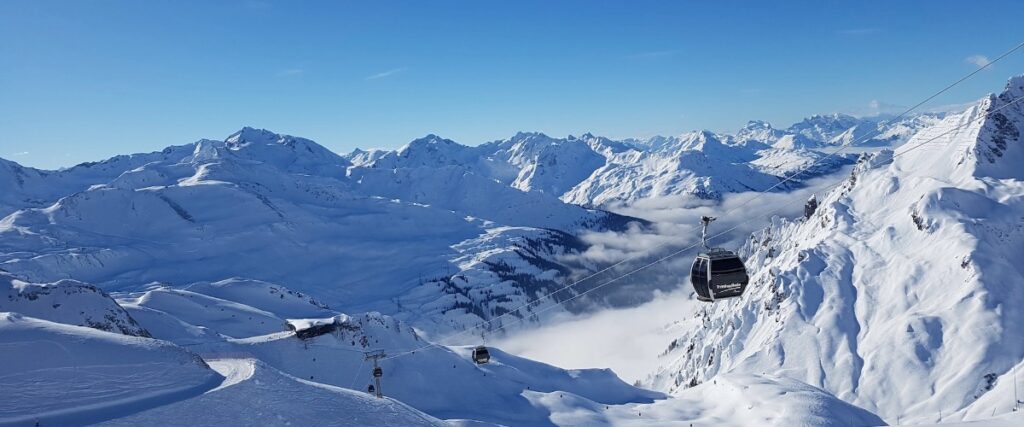
Sweden’s SJ runs an overnight service between Stockholm and Hamburg, which is the practical rail link between Scandinavia and the continent. The private operator Snälltåget runs Stockholm to Berlin seasonally, and a winter ski train from Stockholm up to Åre.
Inside Finland, VR’s overnight trains from Helsinki to Rovaniemi and Kolari are among the best-run sleepers in Europe, with en-suite cabins and the option to load your car onto the train. If you are heading north for winter, this pairs neatly with our guide to Europe’s best ski resorts.
Britain
Two survive, and both are good. The Caledonian Sleeper runs from London Euston to Edinburgh, Glasgow, Aberdeen, Inverness, and Fort William, the last of which delivers you into the Highlands at breakfast. The Night Riviera goes from London to Penzance in Cornwall. Both have en-suite rooms and a lounge car, and both cost more than the equivalent flight.
Italy and the south
Trenitalia’s Intercity Notte services connect Milan, Turin, and Rome with the far south, including Sicily. The Sicilian trains are shunted onto a ferry to cross the Strait of Messina, which is a genuinely strange thing to experience at dawn and worth staying awake for.
Spain is the gap. Its domestic night trains were largely wound down and have not returned, so plan Iberian trips around daytime high-speed services instead. If your route ends up in the Mediterranean, our Greek island hopping guide covers how the ferry legs connect to the rail network.
Central and Eastern Europe
The most underrated part of the map, and the cheapest. Polish and Czech operators run a dense overnight network — Prague to Kraków, Warsaw to Budapest, Budapest to Bucharest — often at half the western European price. Sleepers on these routes are older and simpler, and the value is hard to beat.
How to book without overpaying
Night train pricing works like airline pricing, which catches people out. Fares are dynamic, the cheapest berths sell first, and a sleeper booked three weeks out can cost double what it did at release.
A few rules that reliably save money:
- Book as soon as the window opens. Most operators release tickets around six months ahead, some closer to three. Set a reminder for the release date on a route you know you want.
- Book direct with the operator. Third-party sites add fees and often cannot show the full range of berth types. Buy Nightjet from ÖBB, European Sleeper from European Sleeper.
- Check the route in both directions. Fares are set per departure, and the same journey can be meaningfully cheaper the other way around or one day either side.
- Travel midweek. Friday and Sunday nights are the peak, especially on routes people use to start and end weekends.
- Fill the compartment. Four people booking a whole four-berth couchette usually pay less per head than two people booking a double sleeper, and you get the compartment to yourselves either way.
If you hold an Interrail or Eurail pass, be aware that the pass covers the journey, not the bed. You still pay a reservation supplement for a couchette or sleeper, commonly €20 to €60 and sometimes more on premium routes. Our explainer on what interrailing actually involves goes into how the passes work. For route-level detail and carriage diagrams, the independent reference site Seat 61 remains the best source on European rail anywhere.
Sleeping well on a train
Some of this is obvious and some of it only becomes obvious at three in the morning.
Take the top bunk if you want to be left alone and the bottom bunk if you need to get up in the night. Bring earplugs and an eye mask, because compartment doors open and platforms are lit. Keep your passport, phone, and wallet in the bed with you rather than in an overhead rack; theft is uncommon but not unheard of, and compartments unlock at every stop.
Eat before you board. Catering ranges from a decent dining car to a trolley with instant coffee, and on some routes there is nothing at all. Fill a water bottle at the station. Trains are dry and heating is aggressive.
One thing people underestimate: arrival time. A train that gets in at 06:20 will deposit you in a city where nothing is open and your hotel will not check you in for six hours. Plan for that morning — left luggage, a long breakfast, an early museum — rather than pretending it will not happen. It is the same principle we cover in our general travel tips: the awkward hours are the ones worth planning.
For that first morning, lockers and bag-drop shops near the big stations are usually the answer. We have a rundown of where to leave your bags in European cities, with rough prices and opening hours.
When a night train is the wrong choice
They are not always the answer, and pretending otherwise leads to bad trips.
On journeys under about six hours the train arrives too early or has to crawl and idle in sidings to pad the schedule. If you sleep badly in moving vehicles, a sleeper will not fix that and you will lose the next day instead of gaining it. And on pure cost, a budget flight plus a cheap hotel often still beats a sleeper berth — the case for the train is time, comfort, and emissions, not price. Compare honestly against what a cheap flight would cost before assuming the train wins.
For some routes the better answer is a car. Our roundup of the best European road trips covers the regions where rail simply does not go.
The daily rate is the smallest part of what a rental costs, so it is worth knowing which fees get added at the desk before you price a car against a berth.
Build the route before you book
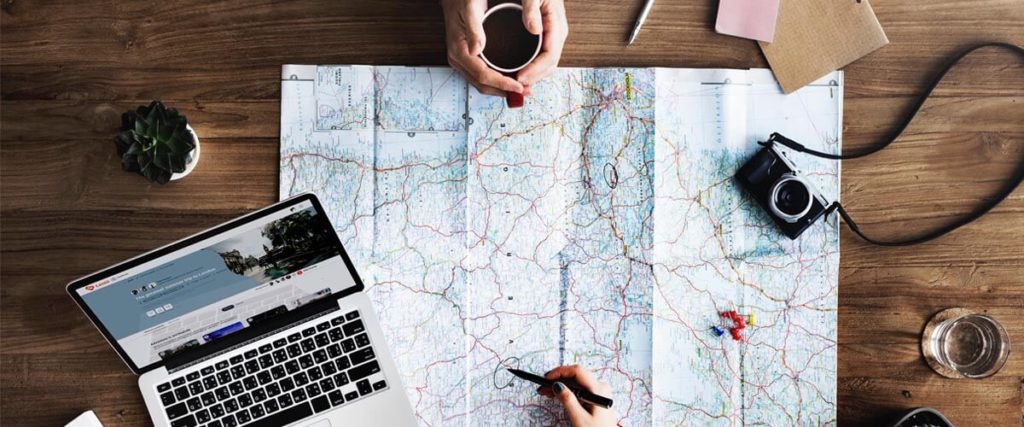
Night trains reward planning more than most travel does, because the cheap berths go early and the routes chain together in ways that are not obvious from a map. A Brussels departure can put you in Prague for breakfast; a Vienna departure can put you in Rome.
Lentii is built for working that out. Collect routes, stations, and stopover cities as you research, lay them out as a day-by-day itinerary, and share it with whoever is coming so everyone knows which night is a train night. Plan your European rail trip with Lentii.
FAQ
Are night trains in Europe worth the money?
They are worth it when the alternative is a flight plus a hotel night, or when the journey is long enough that you genuinely sleep. On a Vienna to Rome or Brussels to Prague run, a couchette often costs less than the hotel you would otherwise book and saves you a travel day. On short hops the maths stops working.
How far in advance should I book a night train?
As early as you can. Most operators open sales around six months before departure and the cheapest berths sell first. Booking three to six months ahead typically costs half what the same berth costs a few weeks out, and popular summer routes sell out entirely.
Can you travel from London to Berlin entirely by train overnight?
Yes, with one change. Take a Eurostar to Brussels, then the European Sleeper onward to Berlin. It is not a single through service, so leave a comfortable connection window in Brussels rather than the minimum, because a delayed Eurostar and a missed sleeper is an expensive combination.