
Winter in Europe gets sold to you twice a year: once as Christmas markets and mulled wine, once as a grey mistake you should have spent in Thailand. Both versions skip the part that actually decides whether the trip works, which is what is open when you get there. Between November and March, a surprising amount of the continent simply stops, and it stops on a schedule nobody publishes in one place.
This is that map. Where winter is the best time to go, where it quietly ruins an otherwise good itinerary, and how to plan around four hours of usable daylight.
What “closed for the season” actually means
Off-season closures in Europe are rarely total. A Greek island does not lock its gates in November. What happens is thinner: three of the island’s twelve tavernas stay open for locals, the ferry drops from four sailings a day to four a week, half the hotels shutter until Easter, and the rental scooter place puts its bikes in a shed. You can still go. You just can’t do the trip you saw in the photos.
The pattern holds across the continent. Seasonal closure hits coastal and mountain economies hardest, because they were built around a twelve-week earning window. Cities barely notice. A museum in Vienna keeps the same hours in January as in July, and the tram runs either way.
So the first sorting question is not “is this place nice in winter”, it is “does this place make its money in summer”. If yes, expect a skeleton version. If it earns year-round, expect business as usual with fewer people in the queue.

The closure map, region by region
Rough guide to what you are walking into between December and February.
| Region | Winter status | What to expect |
|---|---|---|
| Greek islands, Croatian coast | Largely shut | Ferries cut back hard, most hotels closed, restaurants down to a handful |
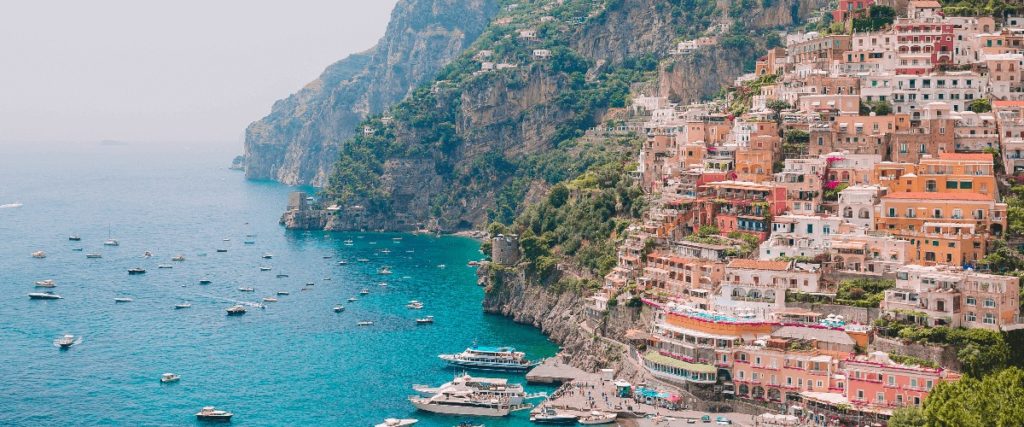
| Amalfi, Cinque Terre, small Italian coast towns | Half shut | Boats stop, some trails close after rain, hotels reopen around March |
| Alpine ski towns | Peak season | Everything open, prices at their highest, book months ahead |
| Alpine valleys without lifts | Dead | Neither summer hikers nor skiers; many places close entirely |
| Big cities (Vienna, Berlin, Paris, Rome, Lisbon) | Fully open | Normal hours, shorter queues, cheaper beds outside the holidays |
| Lapland and the Arctic north | Peak season | The whole point of going; book husky, aurora and glass-cabin nights early |
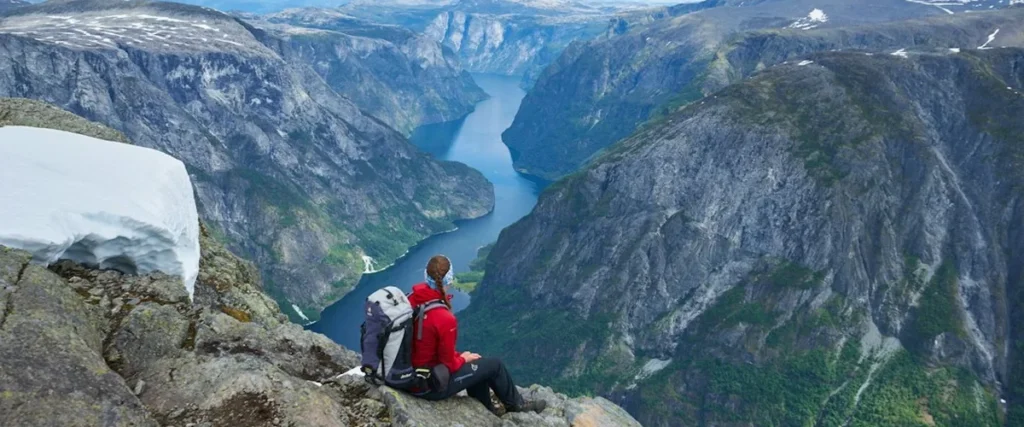
| Iceland and the Norwegian fjords | Open but restricted | Highland roads and some mountain passes closed, coastal routes fine |
| Canary Islands, Madeira, southern Spain | Open, mild | The continent’s reliable winter sun, and everyone knows it |
Where winter is the reason to go
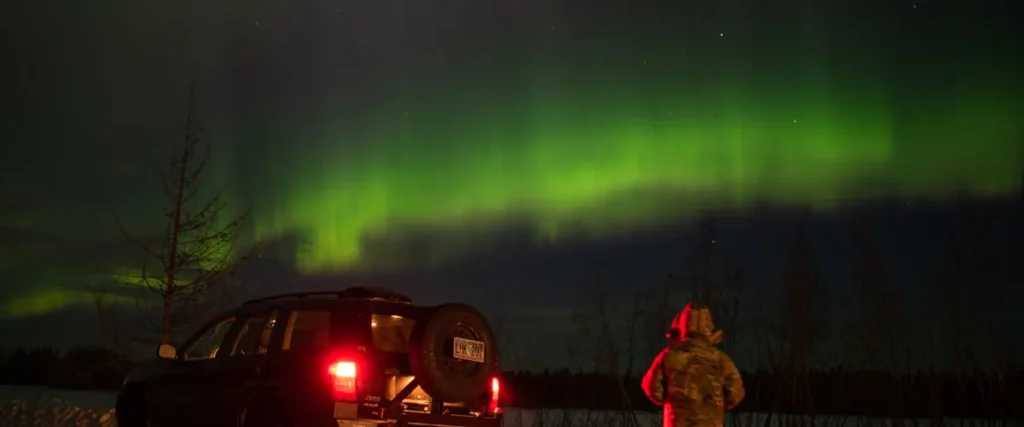
Lapland and the Arctic. Northern Finland, Swedish Lapland and Norwegian Tromsø run their entire calendar around these months. Snow is reliable from roughly December to March, the aurora season stretches from September to early April, and the infrastructure is built for cold rather than surprised by it. Visit Finland’s Lapland pages list which villages run winter programs, which matters because the gap between a working Arctic town and an empty one is large. If chasing the lights is the trip, our northern lights guide covers the timing and the odds in more detail.
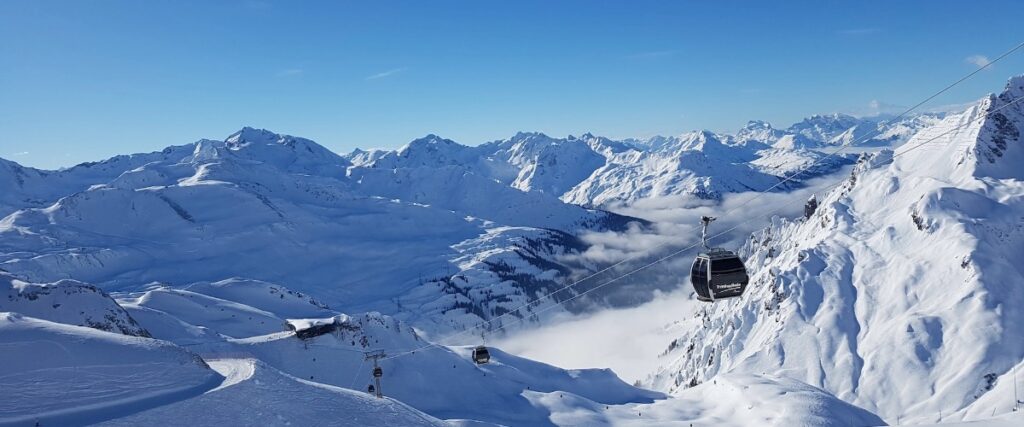
The Alps, if you are there for snow. Most large Alpine resorts run from around mid-December to mid-April, with the highest and most glaciated running longer. Opening dates move with the snowpack, so check the resort rather than the brochure. Skiresort.info publishes season dates for hundreds of Alpine resorts in one table, which is the fastest way to see whether early December is realistic where you are looking. Our rundown of European ski resorts is a reasonable shortlist to start from.
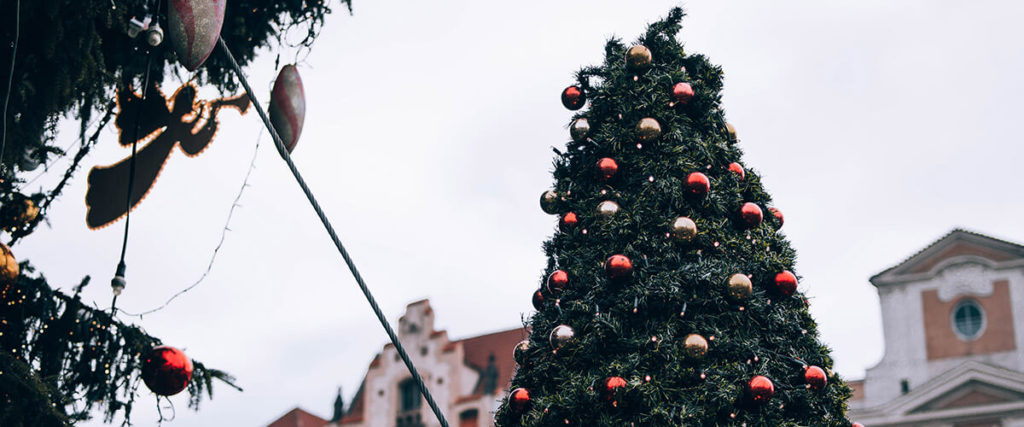
Christmas market cities, for about five weeks. Vienna, Nuremberg, Strasbourg, Dresden, Tallinn and Prague put on the version of themselves that ends up on postcards, roughly from late November to a few days before Christmas. Note the end date. A lot of visitors book for the 27th expecting markets and find crews dismantling stalls. Berlin is the exception worth knowing: several of its markets run into early January. Our Christmas cities piece has the shortlist.
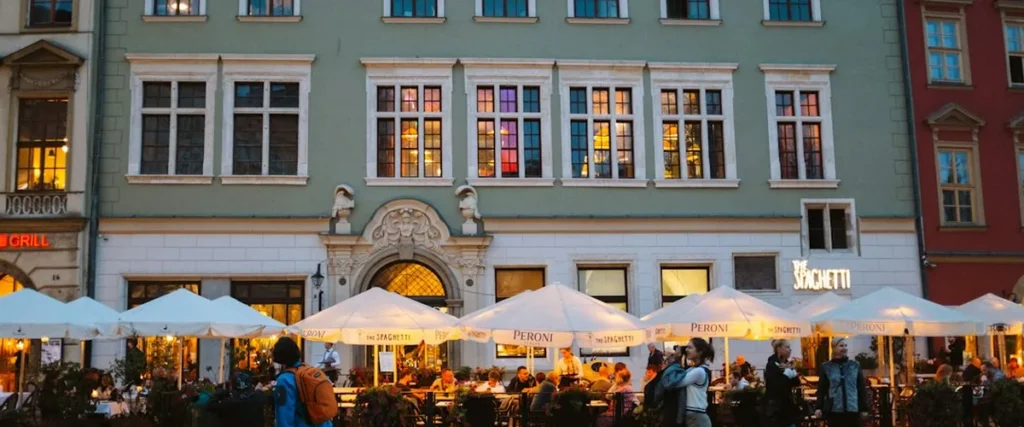
Big cities, for the absence of everyone else. January and February in Rome, Paris, Madrid or Amsterdam are the quietest weeks of the year. The Uffizi in February has a queue. The Uffizi in July has an ordeal. Hotel rates outside the holidays fall noticeably, museums keep full hours, and the food gets better because kitchens are cooking for locals again.
Where winter quietly ruins the trip
The failures are rarely dramatic. Nobody arrives to find a city gone. What happens is that the thing you came for is the one thing not running.
- Island hopping. Greek and Croatian ferry networks contract to lifeline services in winter. A route with four daily sailings in August may run twice a week in January, which turns a two-island week into one island and a lot of waiting. Check timetables on Ferryhopper for your actual dates before booking anything.
- Coastal walking. Cliff paths in Italy, Portugal and Greece close after heavy rain and stay closed for weeks. The paths are not maintained in the off-season at summer speed.
- Mountain driving. Iceland’s highland F-roads are shut, and Norwegian and Alpine passes close on short notice. Iceland’s road authority publishes live conditions, and Safetravel is the official place to check alerts before you set out. The coastal ring roads generally stay open; the interior does not.
- Small-town anything. A town of 3,000 with two restaurants has one restaurant in February, and it closes Mondays and Tuesdays. Plan meals, or plan a supermarket.
That last one is worth planning rather than improvising at 8pm. Our guide to eating cheap in Europe covers the fixed-price lunch and what a supermarket dinner looks like when you do it properly.
Sundays and public holidays cause the same problem in cities. In Germany and Austria most supermarkets close by law, so check our guide to Sundays and public holidays in Europe for what stays open and where you can still buy food.
Daylight is the constraint nobody budgets for
This catches people harder than cold. In late December, Copenhagen gets around seven hours of light, Berlin a bit under eight, Rome closer to nine and a half. Go north of the Arctic Circle and the sun does not clear the horizon at all for several weeks, though you still get a few hours of blue twilight that is bright enough to walk around in.
Practically, that means your sightseeing day runs roughly 9am to 3:30pm in central Europe, not 9am to 8pm. Three outdoor things in a day becomes two. Viewpoints and walking tours go in the morning, museums and food go in the afternoon, and anything involving a view at sunset happens at what feels like lunchtime. Norwegian forecasts on yr.no give sunrise and sunset per location, which is worth checking before you build the daily plan rather than after.
The flip side is that the light itself is good. Low sun all day is what photographers travel for, and northern cities get several hours of it instead of twenty minutes.
What it costs
Winter splits into two price regimes, and the line is sharp. Roughly the 20th of December to the 2nd of January, plus February school holidays in much of Europe, prices sit at or above summer levels. Outside those weeks, off-season rates are the cheapest of the year for city hotels and flights.
The savings are real but uneven. City hotel rates in late January often run well below their July equivalent, while ski accommodation moves the opposite way. Flights follow the same split. If your dates are flexible, mid-January to mid-March is where the money is, and our guide to when to book flights and trains covers how far ahead to lock those in.
One winter-specific cost: transport within cities matters more when it is 2°C and dark at four. Walking everywhere is a summer strategy. Look at whether a city transport pass earns its price on a winter itinerary, because it usually does at a lower trip count than in July.
Three winter routes that work
Central European cities by train, 8 days. Vienna, Bratislava, Budapest and Prague, connected by short daytime rail legs. Everything indoors is open, the distances are small enough that a 3:30pm sunset does not cost you anything, and the thermal baths in Budapest are better in cold weather than in August. A rail pass is worth pricing for this one; Interrail publishes the route options, and our Interrail itineraries include a version of this loop.
Arctic Norway or Finnish Lapland, 5 days. Fly into Tromsø, Rovaniemi or Kiruna and stay put. Long transfers in the dark are wasted time, and the activities are all local anyway. Build around two aurora attempts, because one clear night out of two is a fair expectation.
Southern Spain, Canaries or Madeira, 7 days. The only part of Europe where an outdoor trip in January behaves like an outdoor trip. Seville and Granada sit in the high teens most winter days, and the Canaries hold low twenties. The trade-off is that the sea is cold and the sun sets early even there.
Put the closures in the plan, not in your head
Almost every winter trip that goes wrong goes wrong the same way: the route was designed for summer opening hours and nobody rechecked. The fix is mechanical. Before you commit, open each stop and confirm three things for your actual dates: the ferry or train frequency, whether the hotels you like are taking bookings at all, and what time it gets dark. Ten minutes per stop.
That is the kind of thing worth having written down instead of remembered. Build the route in Lentii, drop the day’s real daylight window and the confirmed transport times onto each stop, and share it with whoever you are traveling with. When a ferry turns out to run Tuesdays only, you will see it while you can still change the order.
FAQ
Is Europe worth visiting in winter?
For cities, mountains and the Arctic, yes, and often it is the best time. For coastal and island trips, usually not, because the ferries, hotels and restaurants you would be visiting are closed. Match the destination to the season rather than the other way around.
What is the cheapest month to travel in Europe?
Mid-January through February, once the New Year holiday traffic clears and before the spring break weeks. Ski destinations are the exception, since that is their high season. Our guide to shoulder season covers the next-cheapest windows in April, May, September and October.
How cold does it actually get?
It varies more than people expect. Lisbon and Seville sit in the low-to-mid teens Celsius through winter, Paris and Berlin hover near freezing, Warsaw and Helsinki go well below, and Arctic Norway can drop past minus twenty. Pack for the coldest stop on the route, not the average.